
Leaving a hospital, rehabilitation program, or another care setting can bring relief. It can also leave you facing daily tasks that still feel difficult or unsafe.
Maison de Serenity provides private-pay transitional recovery care for medically stable adults and older adults who need added support before returning home or moving to their next care setting.
Our private six-bed residence offers 24/7 personal support, RN-directed coordination, chef-prepared meals, mobility assistance, and help following approved recovery instructions.
Are you medically ready to leave your current care setting, but not ready to manage alone?
Transitional recovery care gives you time and practical support between one level of care and the next. You may no longer require hospital treatment, but you may still feel weak, tired, unsteady, or uncertain about managing daily life.
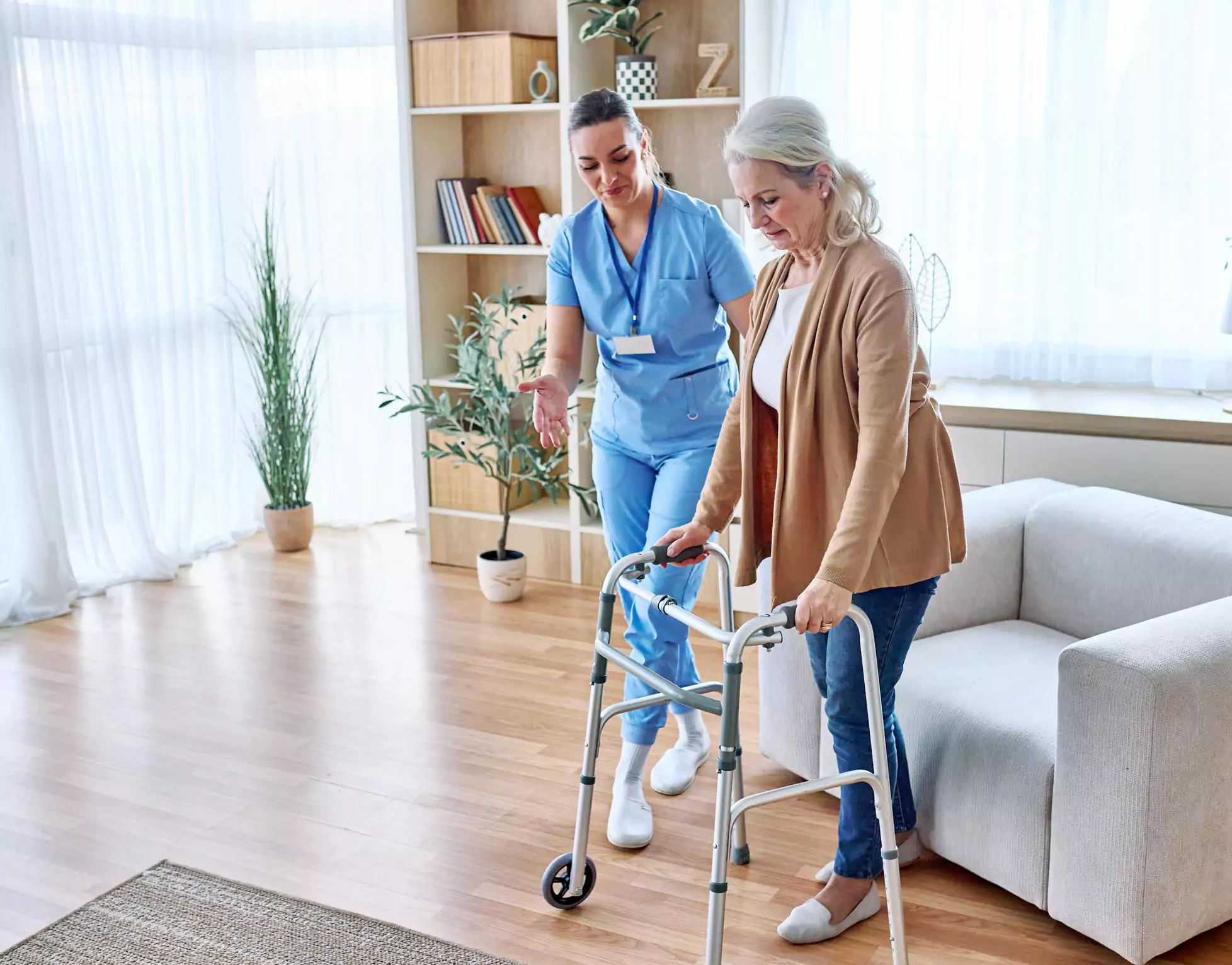
A transitional stay may help when you:
Maison de Serenity provides residential support within California RCFE requirements. We are not a hospital, skilled nursing facility, or inpatient rehabilitation center.
Licensed outside professionals provide skilled nursing, medical treatment, and clinical therapy when those services are required.
A person may be cleared to leave medical care and still need help getting through the day safely.
A diagnosis or discharge date does not confirm admission. We review each person’s mobility, personal care needs, medication information, cognition, medical history, and required outside services before accepting a stay.
Maison de Serenity may be suitable for:
When your needs fall outside our approved residential scope, we will explain that before admission.
What daily tasks feel difficult right now?
Based on your assessment and support plan, a transitional stay may include:
We adjust daily support to your current ability, energy, and comfort. Our goal is to help you take part in your routine without asking you to manage tasks that are not yet safe.
Your needs may change during your stay. Our team pays attention to changes in your comfort, appetite, mobility, mood, sleep, and daily function. Concerns are reported through the appropriate communication process.
A transitional stay should have a clear purpose.
We support the tasks and routines connected to your plan. We do not promise a specific recovery result or replace advice from your physician or licensed therapist.
Progress may look different from one person to another. For some guests, it may mean greater independence. For others, it may mean establishing a safe routine and putting the right help in place before discharge.
At the start of your stay, we learn what you hope to manage before leaving Maison de Serenity. Your goals may include:
Recovery often involves several people, and poor communication can place extra pressure on you and your family.
With your consent, our team may communicate with:
RN direction supports care planning, provider communication, monitoring procedures, and decisions about reporting concerns.
Outside licensed providers remain responsible for skilled services. Our residential team can help prepare for their visits, support their approved instructions during daily routines, and share relevant observations within the permissions you provide.
Your daily schedule should reflect your energy, appointments, preferences, and recovery needs.
No two transitional stays look exactly the same.

Your morning may begin with help getting out of bed, bathing, dressing, or grooming.
After breakfast, you can complete your approved medication routine and review the day’s appointments, provider visits, or personal goals with our team.
The middle of your day may include:
You may spend time with family, sit outdoors, read, watch television, or take part in a simple activity based on your interest and energy.
After dinner, our team can assist with your personal routine and help you prepare for sleep.
You may choose quiet conversation, private time, or a familiar evening activity.
We provide structure without forcing you into a rigid schedule.
Transitional recovery stays may last from several days to several weeks. The right length depends on your support needs, goals, outside services, and room availability.
The client’s current guidance identifies a minimum stay of three days. Final timing and terms will be discussed before admission.

You, a family member, or a healthcare professional can contact us with:
Our team reviews your:
We may request a recent discharge summary, medication list, provider instructions, activity restrictions, and family contact information.
When the residence is a suitable fit, we discuss:
Urgent admissions may be reviewed when space, staffing, documentation, and care suitability allow. An inquiry does not confirm acceptance until the assessment is complete.
Some guests may request itemized documents for eligible long-term care insurance claims. Coverage depends on the individual policy.
Transitional recovery care provides broad short-term support during a care change. A related program may be more suitable when your needs connect directly to a hospital discharge or surgical procedure.

Leaving the hospital after an illness, infection, or medical event may require added support with discharge instructions, mobility, meals, medications, appointments, and daily activities.
Recovering after orthopedic, cardiac, abdominal, spinal, or general surgery may involve procedure-specific restrictions, positioning needs, follow-up visits, and therapy instructions.
Guests recovering from approved cosmetic or elective procedures can review our private post-operative residential support.
You may know that home is your goal but still feel uncertain about getting there safely.
Tell us about:
We will review your information, discuss care fit and availability, and explain the next appropriate step.